

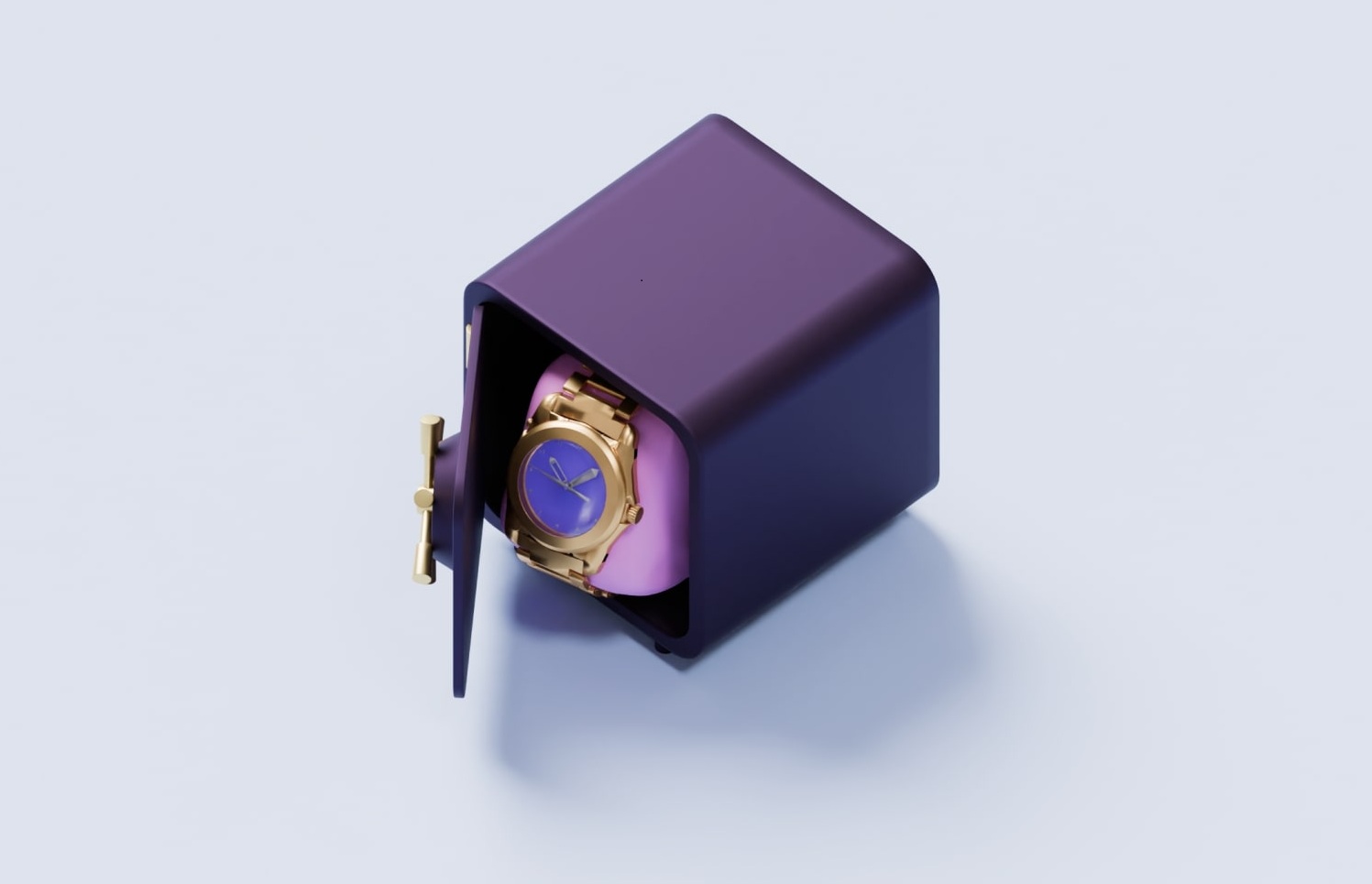
Luxury watches have evolved beyond being mere fashion accessories. In Canada, they have found their place as tangible investment assets with potential for long-term appreciation. Brands such as Rolex, Patek Philippe, and Audemars Piguet have seen their values rise considerably over the years, attracting collectors and investors alike. As the secondary market for investment-grade watches grows, the Canada Revenue Agency (CRA) has started paying closer attention to their sale and taxation. Knowing how the sale of these high-value timepieces is taxed can help you make informed financial decisions and protect your returns.
- What Makes a Watch Investment-Grade in Canada?
- How Are Capital Gains Calculated on Investment-Grade Watches?
- Is Selling a Watch Considered Business Income or a Capital Gain?
- How Does GST and HST Apply to Selling Investment Watches?
- What Happens When You Sell a Watch Through an Auction House?
- Can Losses from Selling Watches Be Claimed for Tax Purposes?
- What Records Should You Keep for Tax Reporting?
- How Does Watch Investing Compare with Other Asset Classes?
- What Strategies Can Reduce Tax Exposure When Selling Watches?
- How Does the CRA View Luxury Watch Flipping?
- How Can You Integrate Watch Investments into Broader Wealth Strategies?
- Why Should You Seek Professional Advice Before Selling an Investment Watch?
- Conclusion: Managing the Financial Future of Your Watch Portfolio
- Track and Understand the True Value of Your Luxury Watch Portfolio
What Makes a Watch Investment-Grade in Canada?
An investment-grade watch holds or increases its value over time due to its craftsmanship, rarity, demand, and historical significance. In Canada, such watches are often classified as personal-use property but may also fall into the category of investment assets if their acquisition was primarily for profit. This distinction is crucial because it influences how gains from their sale are taxed.
Collectors who purchase watches for pleasure and occasional use are generally treated differently from those who acquire them as part of a structured investment strategy. The CRA may examine the intent behind your purchase, the frequency of trading, and how you maintain or promote your collection. If you actively buy and sell watches for profit, your gains might be classified as business income. For collectors who occasionally sell a watch at a profit, the gain is more likely to be treated as a capital gain. Understanding these classifications ensures that you stay compliant while also maximizing your net profit.
How Are Capital Gains Calculated on Investment-Grade Watches?
When you sell a high-value watch in Canada, the profit you make from the sale may be subject to capital gains tax. Capital gains apply when the selling price exceeds the adjusted cost base (ACB) of the watch, which includes the purchase price and related expenses such as authentication, servicing, and restoration. Only 50 percent of the gain is taxable, meaning that half of your net profit is included in your taxable income for the year.
For instance, if you purchased a Rolex for CAD 20,000 and later sold it for CAD 35,000, your capital gain would be CAD 15,000. Of that amount, CAD 7,500 would be taxable. The CRA expects accurate recordkeeping of all transactions, including receipts, appraisals, and sale confirmations. Failure to maintain proper records can complicate your tax filing and expose you to penalties.
This tax rule applies even when a sale occurs through private transactions, online marketplaces, or auctions. When investing in luxury watches, documentation is as valuable as the timepiece itself. It forms the backbone of your proof of ownership, acquisition cost, and sale price, all of which determine your tax obligations.
Is Selling a Watch Considered Business Income or a Capital Gain?
The CRA makes a clear distinction between business income and capital gains, and this determination depends on your intent and pattern of activity. Selling one or two watches occasionally may be treated as a capital gain, but frequent trading could be classified as business income.
If your activity resembles that of a business, such as maintaining an inventory, promoting sales, or regularly flipping watches for profit, the CRA will likely treat the earnings as business income. This means 100 percent of your profit is taxable instead of 50 percent. Collectors should therefore be mindful of their trading patterns. Even occasional investors who seek to build long-term value with watch investing must be aware that intent plays a significant role in tax assessment.
The CRA evaluates each case individually. If you can demonstrate that your watch sales are sporadic and motivated by personal reasons, you are more likely to be taxed on capital gains. Those operating more actively within the secondary watch market should prepare to report their income as business earnings.
How Does GST and HST Apply to Selling Investment Watches?
The sale of investment-grade watches in Canada can also attract Goods and Services Tax (GST) or Harmonized Sales Tax (HST), depending on your business status. Private individuals selling a watch for personal reasons are generally exempt from GST or HST collection. However, if you operate a watch dealership or are registered for GST or HST, you must collect and remit these taxes on the sale.
The applicable rate depends on your province. For example, Ontario applies a 13 percent HST rate, while Alberta charges a 5 percent GST. When watches are sold across provinces or through online marketplaces, the tax rules follow the place of supply. This means that if a buyer is located in a province with a higher tax rate, that rate applies.
Collectors often overlook these indirect taxes, which can lead to unexpected liabilities during audits. A proper understanding of your GST or HST obligations ensures compliance and prevents future disputes with tax authorities.
What Happens When You Sell a Watch Through an Auction House?
Selling an investment-grade watch through an auction house is a common practice among collectors who seek to reach a wider market and secure higher prices. However, this transaction has unique tax implications in Canada. Auction houses typically charge commissions, insurance fees, and marketing costs, which must be factored into your adjusted cost base when calculating capital gains.
The auction house may also charge GST or HST on its commission. If you are registered for GST or HST, you may be able to claim input tax credits on these charges. It is important to request a detailed invoice that breaks down these costs, as this will help you accurately report your gain or loss.
If your watch is sold internationally, you may also need to consider export documentation and customs declarations. Although Canada does not impose export taxes, international buyers may be subject to import duties, which can influence the final sale price.
Can Losses from Selling Watches Be Claimed for Tax Purposes?
Not every sale results in a profit. If you sell a luxury watch for less than its adjusted cost base, you may incur a capital loss. Capital losses can be used to offset capital gains in the same tax year, carried back three years, or carried forward indefinitely to reduce future capital gains.
For instance, if you sell one watch at a gain and another at a loss, you can offset the two to lower your overall tax liability. However, you cannot use a capital loss from a personal-use property, such as a watch you wore regularly, to offset gains from other investment assets. The CRA requires that capital losses claimed be from assets acquired primarily for investment purposes.
Maintaining records that prove the investment intent and the fair market value at the time of purchase will strengthen your position during tax filing. Keeping an updated log of your watch collection helps simplify the process and ensures that you can claim legitimate losses where applicable.
What Records Should You Keep for Tax Reporting?
Accurate recordkeeping is critical when selling investment-grade watches. The CRA requires detailed records of all transactions to verify the accuracy of your tax return. The following records are essential:
- Purchase Documentation: Keep original invoices, receipts, and authentication certificates. These prove your acquisition cost and ownership.
- Maintenance and Restoration Records: Expenses related to servicing, cleaning, and repairing your watch can form part of your adjusted cost base.
- Sale Documentation: Retain copies of contracts, receipts, or auction statements showing the final sale price and date of sale.
- Appraisal Reports: Obtain periodic appraisals from reputable sources to track changes in fair market value.
- Communication Records: Maintain correspondence with buyers, auction houses, or dealers to substantiate your sales.
Each of these records provides evidence that supports your tax filings. In the event of an audit, these documents can protect you from additional assessments or penalties. Proper documentation also helps when planning future sales and evaluating your investment performance.
How Does Watch Investing Compare with Other Asset Classes?
Investing in luxury watches shares similarities with other alternative assets such as fine art, rare coins, or collectibles. The appeal lies in their tangible nature and their ability to appreciate over time. For some, it complements low-risk investing strategies by adding diversification. For others, it represents a passion that can yield financial benefits.
In Canada, luxury watches can serve as a hedge against inflation and currency fluctuations. Their global demand gives them liquidity in international markets. Like those who build wealth through fine art, watch investors seek items that offer both aesthetic and financial rewards. However, this asset class requires knowledge of the market, patience, and an understanding of how taxes influence net returns.
Compared to equities or bonds, watches have higher transaction costs and lower transparency. Yet, when approached strategically, they can form part of a broader portfolio designed to safeguard family wealth. Many investors view them as legacy assets, capable of passing value from one generation to another.
What Strategies Can Reduce Tax Exposure When Selling Watches?
Tax-efficient investing requires planning. Selling investment-grade watches strategically can reduce your tax liability and enhance overall returns. There are several approaches that may help:
- Hold for More Than One Year: Long-term ownership strengthens your case for capital gains treatment rather than business income.
- Time Your Sales: Selling in a year with lower overall income can reduce your marginal tax rate.
- Track All Costs: Adding legitimate costs such as repairs, storage, and insurance to your adjusted cost base lowers your taxable gain.
- Consider Gifting: Transferring watches to family members as gifts can shift future gains to lower-income relatives, although the deemed disposition rules apply.
- Utilize Capital Losses: Offsetting gains with legitimate capital losses helps minimize taxable income.
Tax planning should align with your broader investment strategy, including how you invest in rollover equities or other diversified assets. Seeking professional advice ensures compliance with CRA rules while optimizing your financial outcomes.
How Does the CRA View Luxury Watch Flipping?
The rise of watch flipping in Canada has caught the attention of tax authorities. Individuals who regularly buy watches at retail and sell them shortly after release for a profit are often classified as carrying on a business. The CRA applies several factors to determine intent, including the frequency of transactions, advertising efforts, and the level of organization.
Those engaging in flipping activities should register their business and report income accordingly. This classification allows for the deduction of reasonable business expenses, but also results in higher taxable income since profits are fully taxable. Transparency with the CRA helps avoid future disputes or reassessments.
For investors aiming to build long-term value with watch investing, maintaining a clear distinction between collecting and trading is essential. The difference determines how your sales are taxed and what records you must keep.
How Can You Integrate Watch Investments into Broader Wealth Strategies?
Luxury watches can complement your overall investment portfolio. They can serve as a tangible store of value alongside equities, real estate, or fixed income instruments. Investors seeking diversification often use alternative assets like watches to reduce exposure to market volatility.
Combining watch investments with methods like dollar cost averaging and lump sum investing across other asset classes helps balance risk. Some Canadians view luxury watches as both collectibles and financial assets that align with their long-term wealth objectives. Including them as part of a disciplined strategy ensures that they enhance rather than complicate your financial plan.
Financial platforms like Wealthica allow you to track and analyze your portfolio, including non-traditional assets. Integrating your watch investments into such a system helps you view your overall financial picture and make data-driven decisions about when to buy or sell.
Why Should You Seek Professional Advice Before Selling an Investment Watch?
Consulting a qualified tax professional before selling a valuable watch can save you significant money and prevent compliance issues. Tax experts understand how to classify your sale, calculate gains accurately, and identify eligible deductions. They can also advise you on structuring your transactions in a tax-efficient manner.
Engaging an appraiser ensures that your watch’s fair market value is determined correctly, which protects you from overpaying taxes. Accountants can also guide you in documenting your watch sales properly and preparing for potential CRA audits.
Professional advice becomes even more important as the value of your watch collection grows. A structured approach allows you to manage your portfolio effectively, track performance, and align it with your broader financial goals.
Conclusion: Managing the Financial Future of Your Watch Portfolio
Selling investment-grade watches in Canada involves more than finding the right buyer. Each transaction carries tax implications that can affect your returns. Understanding how the CRA classifies your sales, how capital gains are calculated, and how to maintain accurate records is vital for compliance and financial growth.
Luxury watch investing appeals to those who appreciate craftsmanship and value preservation. It provides an avenue to diversify holdings and protect wealth from inflation. Just as investors seek to safeguard family wealth through real estate or other tangible assets, watches can serve a similar purpose when managed responsibly.
In the evolving landscape of alternative investments, watch ownership has become both a passion and a strategy for wealth creation. With careful tax planning and informed decision-making, you can transform your timepieces into a sustainable source of long-term financial growth in Canada.
Track and Understand the True Value of Your Luxury Watch Portfolio
Managing your investment-grade watches alongside your other assets becomes easier when you have a complete financial overview. Wealthica allows you to see how your luxury timepieces fit into your broader portfolio and how their value changes over time. With clear visibility into performance and holdings, you can make informed financial decisions that support your long-term goals and help maintain accurate records for tax reporting.
Wealthica brings together every part of your financial life, from alternative investments like fine watches to traditional assets such as equities and funds. Its platform helps you monitor growth, review changes in value, and assess how your watch investments contribute to your total net worth. Start organizing your finances in one place and gain the clarity you need to build stronger wealth management habits.